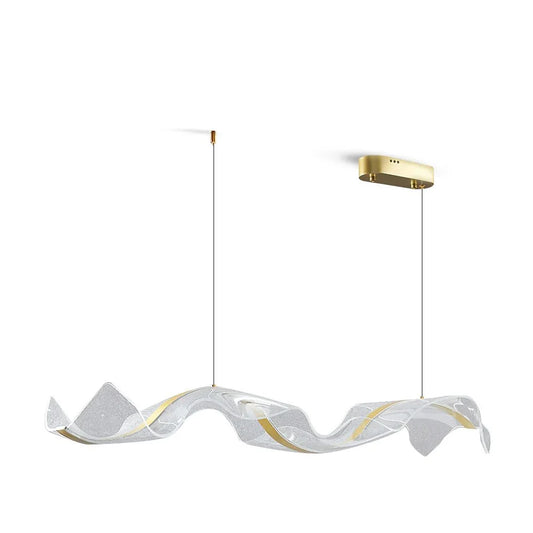
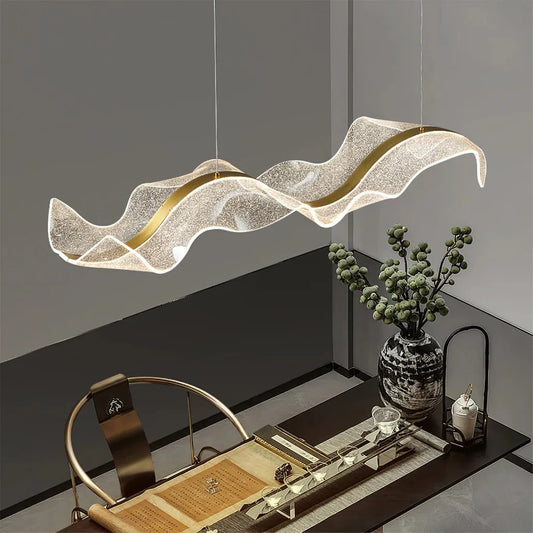
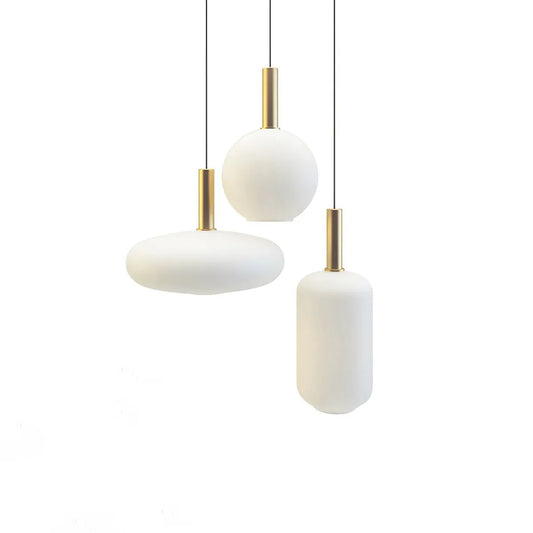
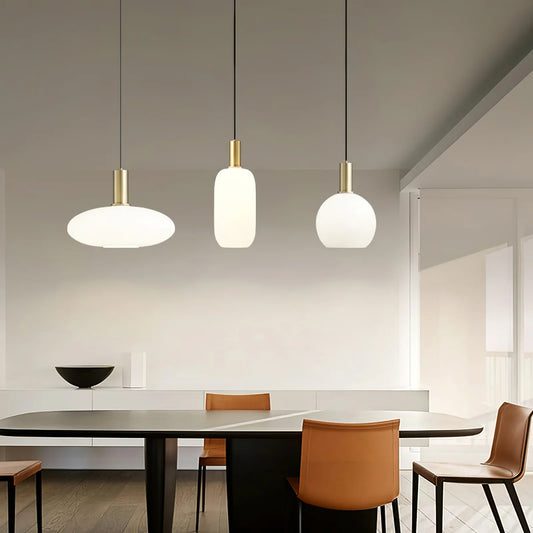
Use code BLOOM20 for 20% OFF at Checkout
Something went wrong. Please try again!
Guarantee Safe Checkout
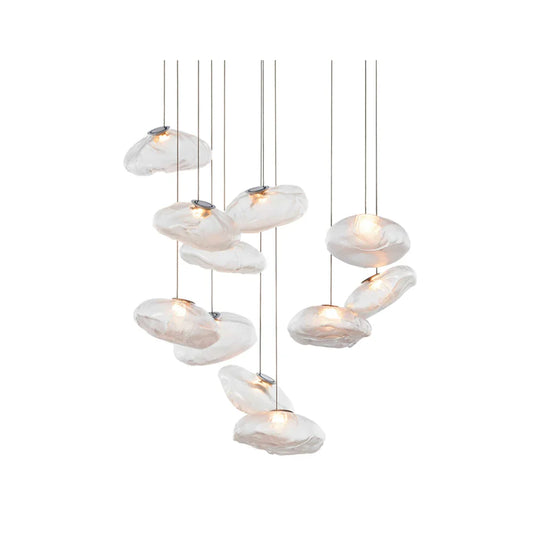
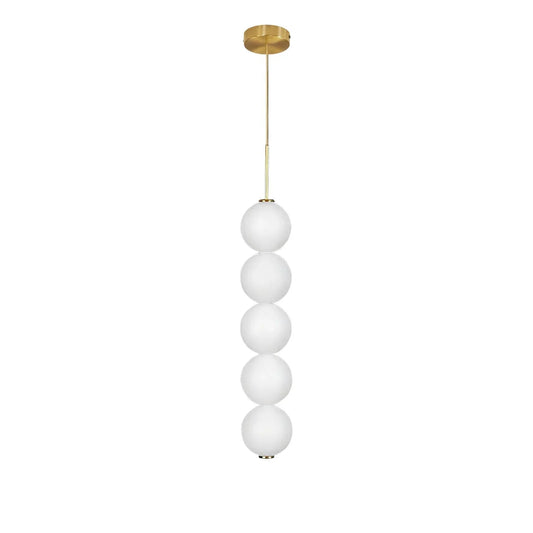
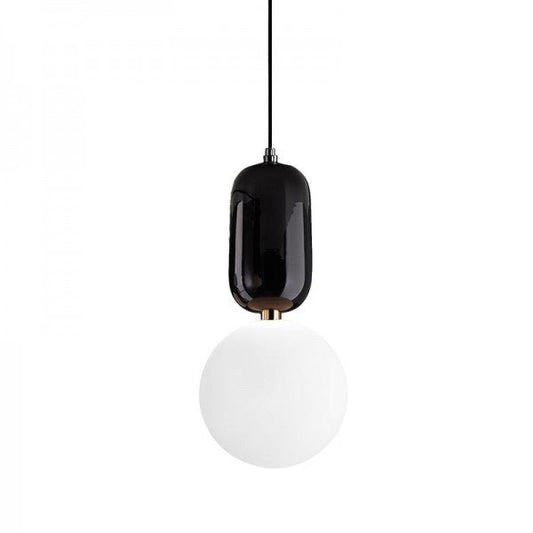
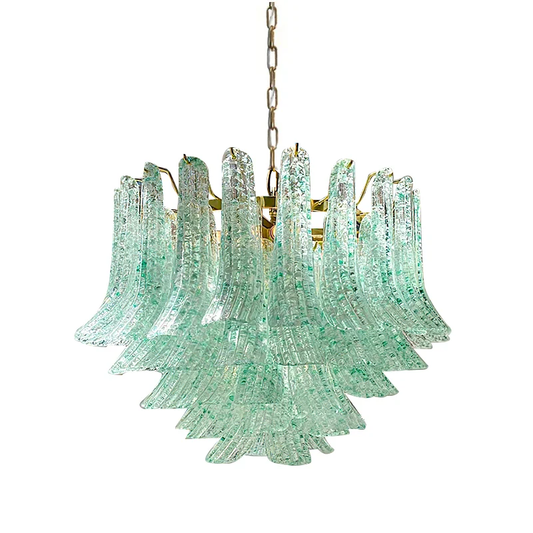
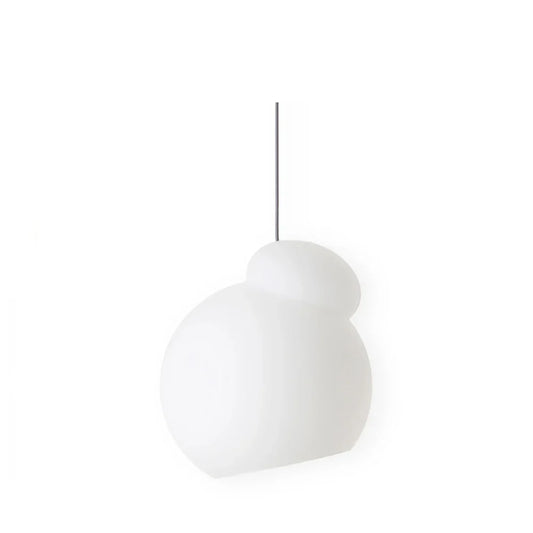
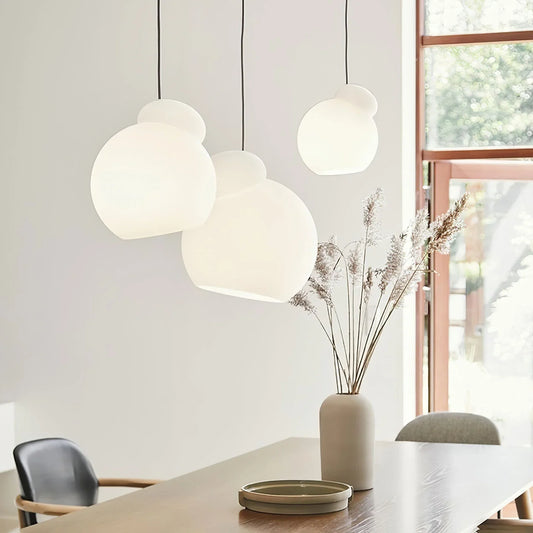
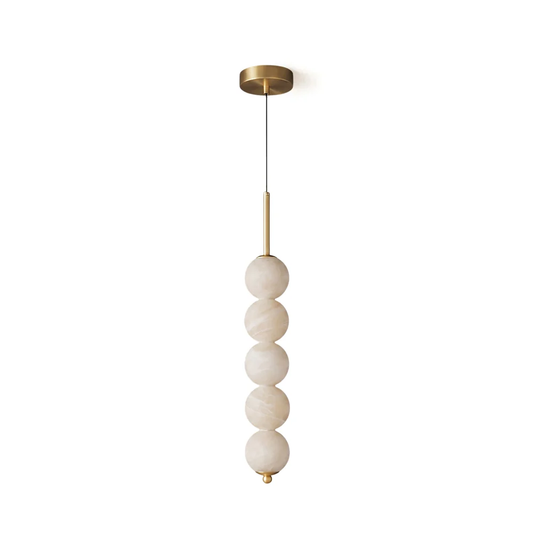
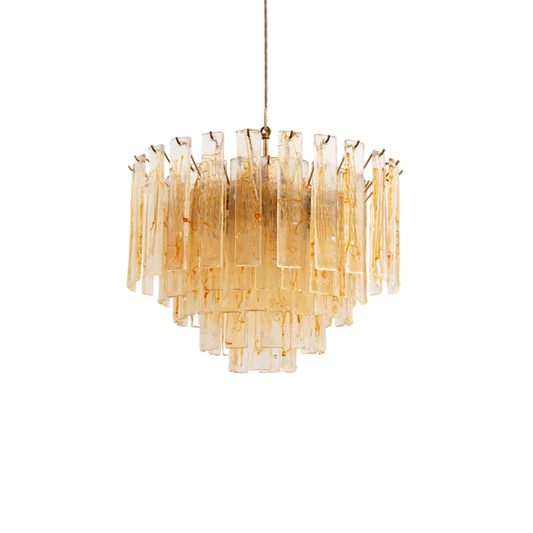
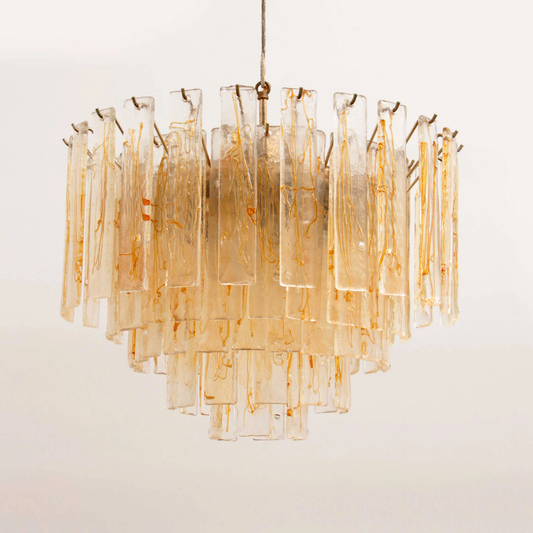
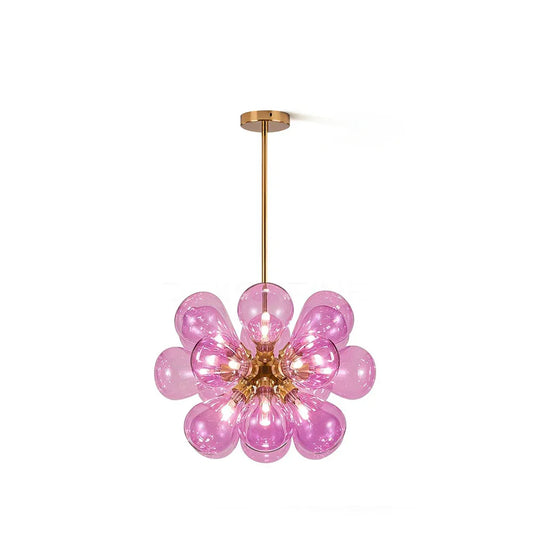
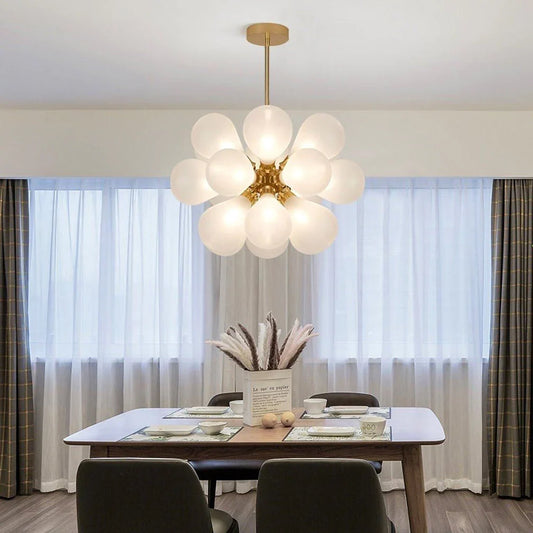
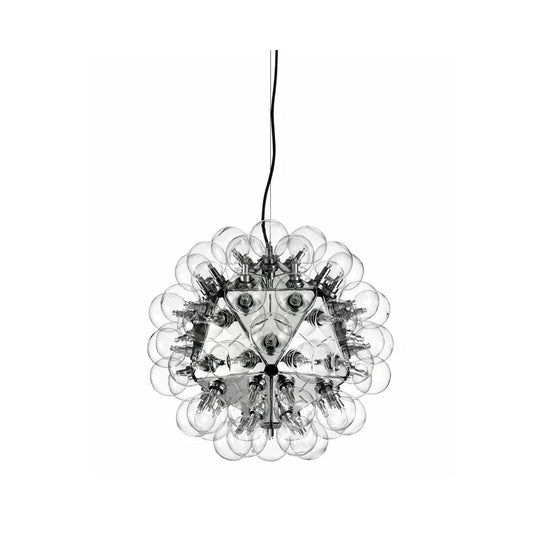
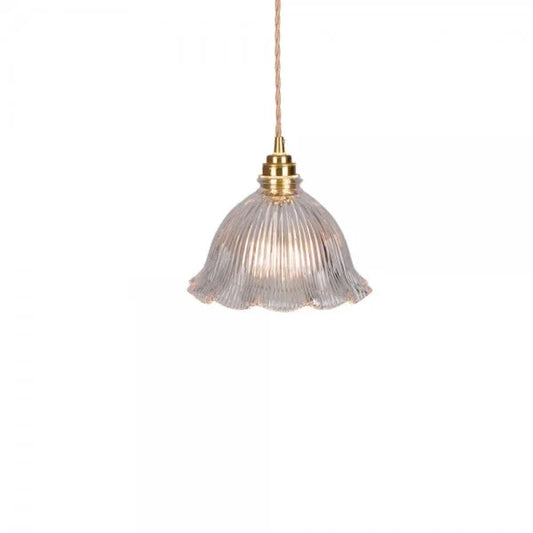
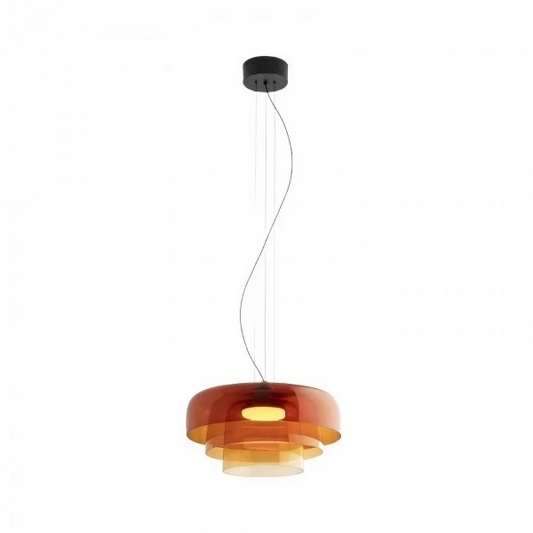
The PH Septima Pendant Lamp layers concentric glass shades so that every angle you see the fixture from, you see reflected light rather than the bulb itself. It is a lighting solution first and an ornament second.
Materials: glass with copper hardware, in white.
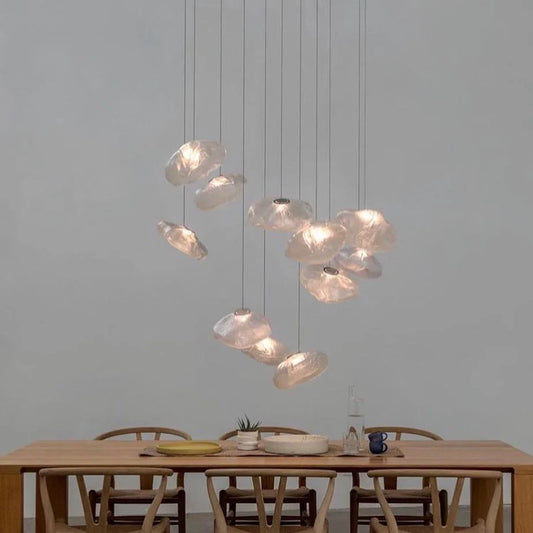
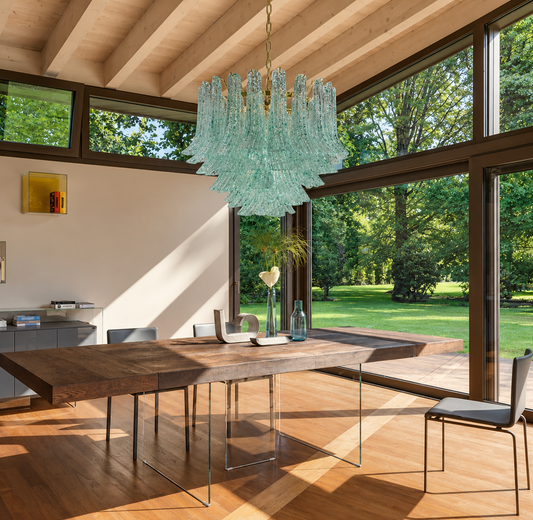
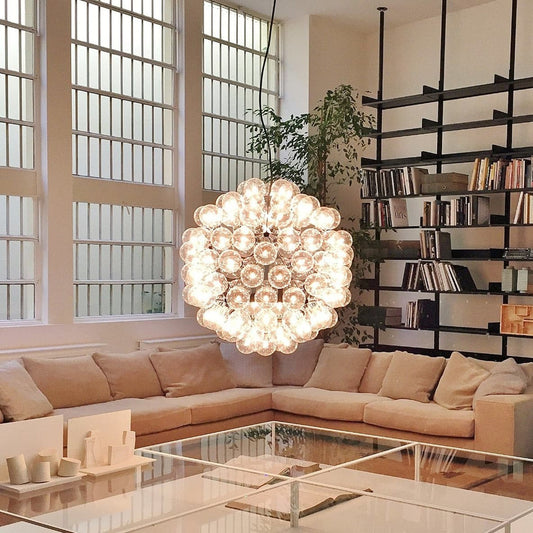
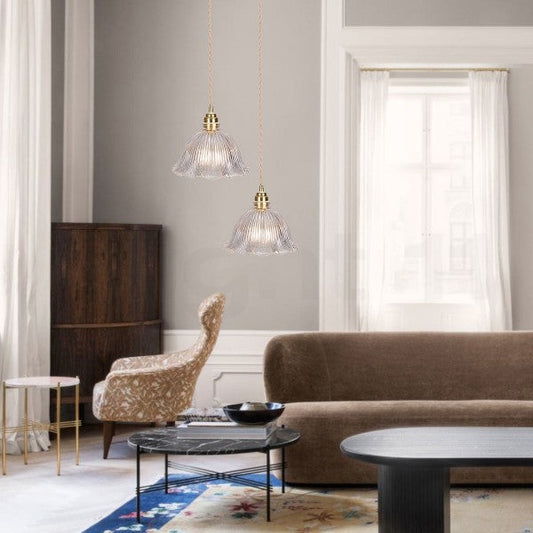
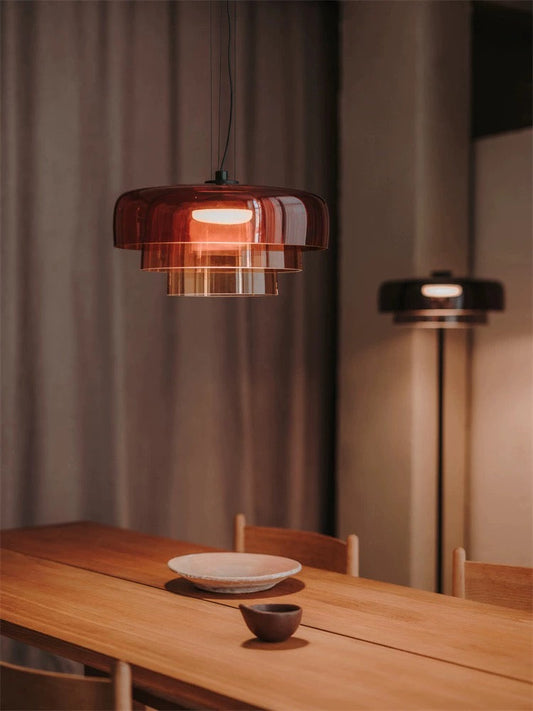
At 20 in across this is a dining-table fixture — hang it 28–34 in above the tabletop, centered. The layered shades mean it can hang lower than most pendants without glare in a seated sightline.
Glass and copper. E26 or E27 socket — LED or Edison bulb, included. AC 110–240V, ceiling mounted, indoor use.
What size is it?Dia 20 x H 16.2 in (Dia 50 x H 40.5 cm).
How high should it hang over a table?28–34 in from the tabletop. The layered shades block direct view of the bulb, so the lower end of that range is comfortable.
What bulb does it take?E26 or E27, included.
What is it made of?Layered glass shades with copper hardware.
The overall design is modern and classy
It gives the room a refined and elegant look.
Ordered 5 lights for the dining room, arrived well packed.
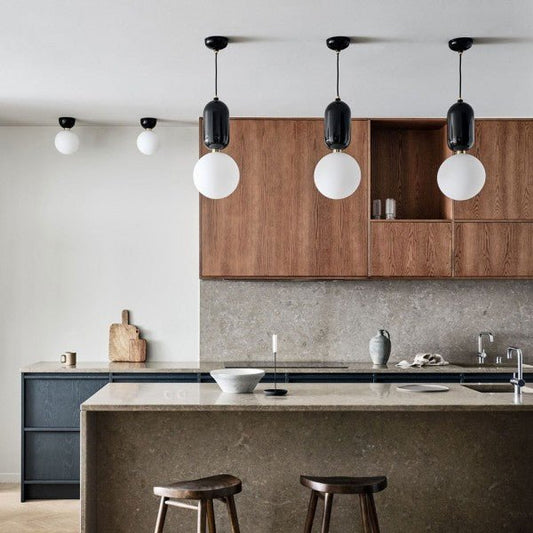
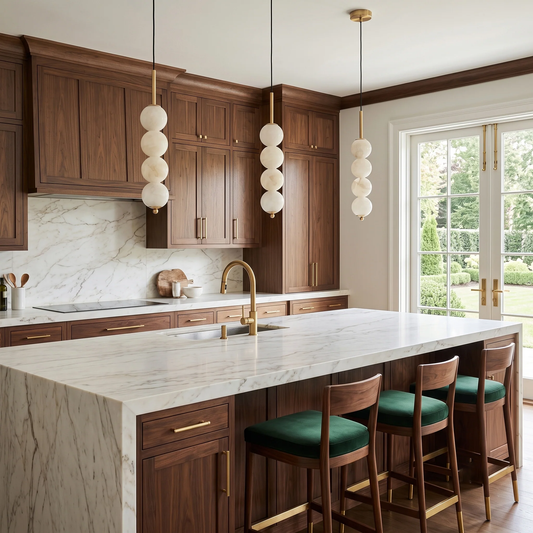
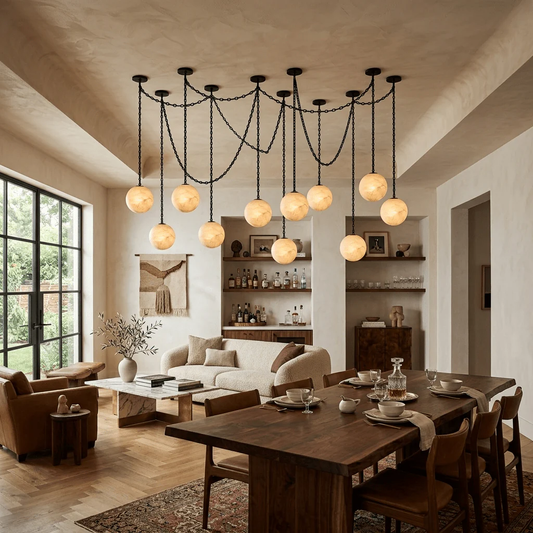
Installed 8 pendant lamps in a boutique hotel, guests love them.
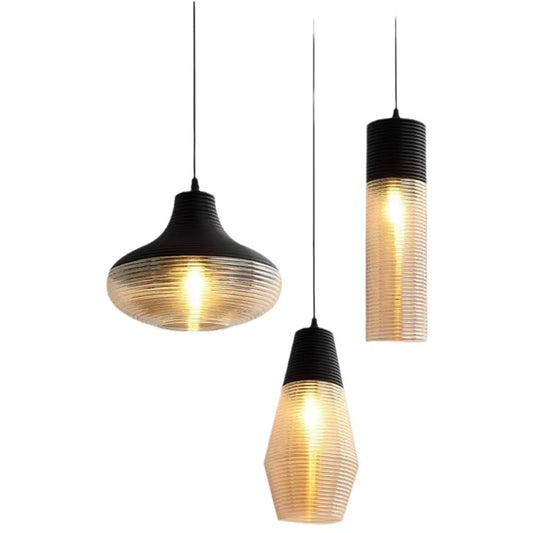
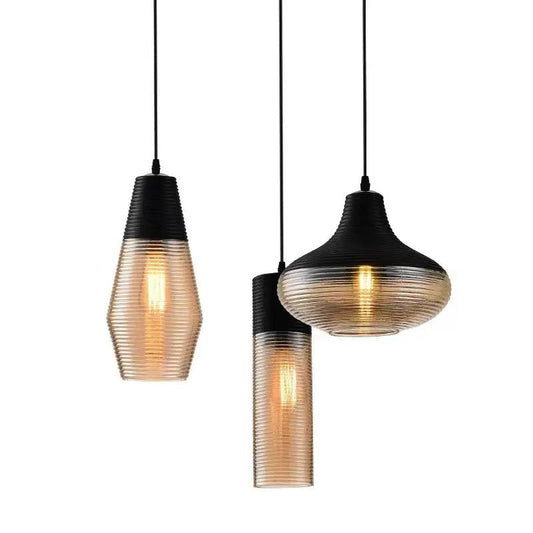
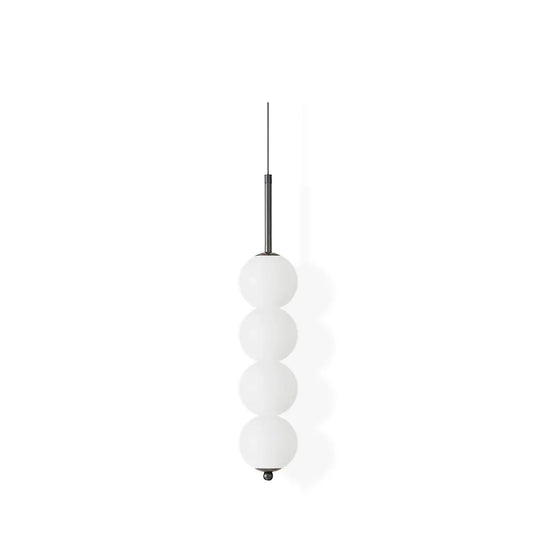
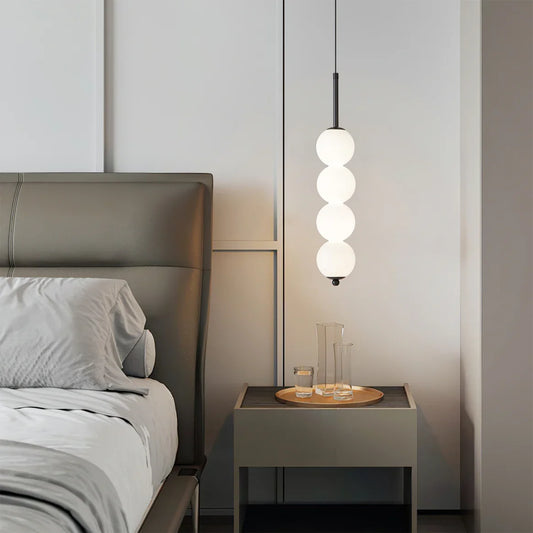
Simple commercial-style pendant for versatile use
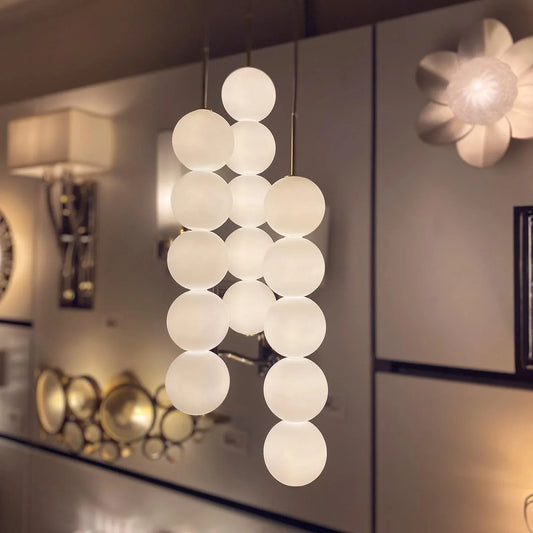
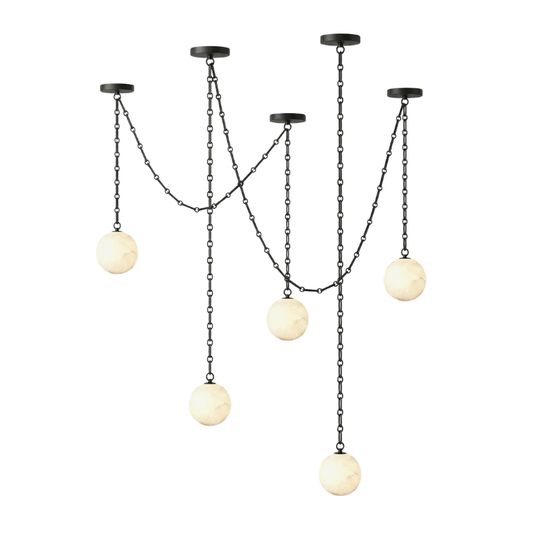
Tiered multi-head pendant offering depth and balance
Your cart0
Quick cart is currently empty
No product has been selected yet.